At Greenberg Gross LLP, our Pittsburgh nursing home neglect lawyers help residents and their families hold long-term care facilities accountable when preventable failures in care cause serious injuries, illness, or unnecessary suffering. Our attorneys investigate nursing homes, assisted living facilities, rehabilitation centers, and other care providers to determine whether a resident's injuries could—and should—have been prevented.
When you entrust a nursing home with the care of someone you love, you expect that facility to provide attentive, professional care every day. If your loved one developed bedsores, suffered repeated falls, became severely dehydrated, experienced unexplained weight loss, or showed other signs that their basic needs were being ignored, our attorneys can evaluate your concerns, explain your legal options, and pursue accountability against the responsible parties.
Call our experienced team today at (412) 755-9500 for a free, no obligation case review.
Start your journey towards justice today by scheduling your free claim consultation
Why You Should Choose Greenberg Gross LLP for a Pittsburgh Nursing Home Neglect Case
Nursing home neglect cases often turn on whether a facility provided the care its residents reasonably required—not simply whether an injury occurred. Successfully proving neglect requires understanding the resident's medical condition, the care plan that should have been followed, and whether the facility failed to meet its responsibilities.
At Greenberg Gross LLP, we build these cases by comparing what caregivers were expected to do with what actually occurred. Our attorneys examine medical records, care plans, staffing information, facility policies, inspection findings, and other evidence to determine whether preventable failures in care contributed to a resident's injuries.
Every case is prepared with the expectation that it could ultimately be decided in court. This approach allows us to negotiate from a position of strength while remaining ready to pursue litigation when necessary to protect our clients and hold negligent facilities accountable.
We won’t back down from large institutions that harm our fellow Pennsylvanians. Our successful case results include a $10.8 million personal injury settlement and several abuse cases in the multi-million dollar settlement range. These results do not guarantee future outcomes, but they show our dedication to fighting for those who cannot fight for themselves.
What Is Nursing Home Neglect?
Nursing home neglect occurs when a long-term care facility fails to provide the care, supervision, or assistance residents reasonably need, resulting in preventable injuries, declining health, or unnecessary suffering. Pennsylvania has established certain rights for nursing home residents, and when those rights are violated, legal action may be warranted.
Unlike intentional abuse, neglect usually involves omissions rather than deliberate acts. Residents may suffer harm because caregivers fail to provide adequate nutrition, hydration, hygiene, medication management, supervision, mobility assistance, or timely medical attention. These failures often develop gradually, making them more difficult for families to recognize until significant harm has already occurred.
Many nursing home residents depend entirely on caregivers for their daily needs. When those needs are consistently ignored or delayed, seemingly small lapses in care can develop into serious medical complications that affect a resident's health, comfort, and quality of life.
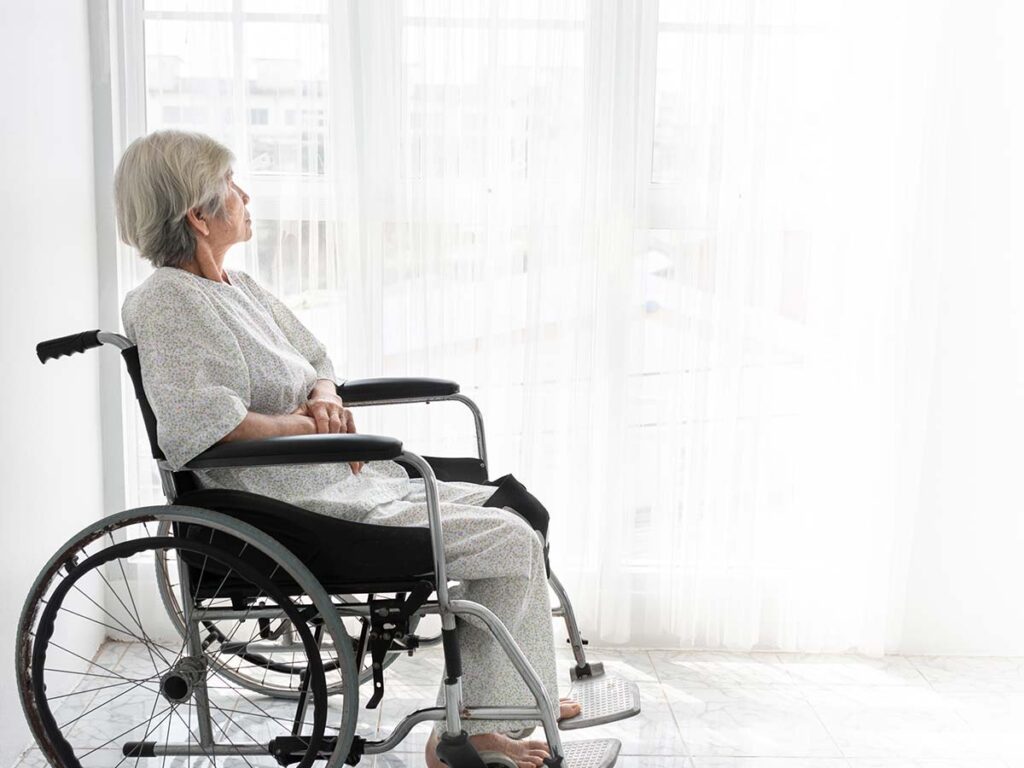
How Nursing Home Neglect Develops
Families sometimes assume neglect results from a single mistake or isolated incident. In reality, nursing home neglect frequently develops over weeks or months through repeated breakdowns in routine care.
A resident who is not regularly repositioned may eventually develop painful pressure ulcers. Someone who needs assistance eating or drinking may gradually become malnourished or dehydrated. Missed medications, delayed physician referrals, or failure to monitor changing medical conditions can allow otherwise manageable health issues to become life-threatening emergencies.
These situations often share a common characteristic: the injuries were preventable. Proper staffing, consistent supervision, effective communication among caregivers, and adherence to established care plans can reduce the risk of many complications associated with nursing home neglect. Understanding how neglect develops is an important part of determining whether a facility fulfilled its obligations to the resident.
We can help assess the strength of your case
Common Forms of Nursing Home Neglect We Handle
Neglect can take many forms depending on the resident's medical needs and level of independence. Although every case is different, we see certain problems appear repeatedly in investigations involving long-term care facilities.
Failure to Prevent Falls
Many nursing home residents have mobility limitations, balance problems, or medical conditions that increase their risk of falling. Facilities are expected to evaluate these risks and implement appropriate safety measures, which may include assistance with walking, transfer support, mobility devices, or increased supervision.
When those precautions are not followed, residents can suffer broken bones, head injuries, or other serious complications that may have been avoidable.
Failure to Prevent Pressure Ulcers
Pressure ulcers, commonly known as bedsores, often develop when residents remain in the same position for extended periods without appropriate assistance. Facilities are generally expected to monitor residents who have limited mobility, reposition them regularly, and address skin changes before they become severe.
Untreated pressure ulcers can lead to infections, extended hospitalizations, multiple surgeries, and permanent complications.
Medication Errors
Residents frequently rely on nursing home staff to administer medications accurately and on schedule. Errors involving missed doses, incorrect medications, improper dosages, or dangerous drug interactions can have serious consequences, particularly for residents managing multiple chronic health conditions.
Medication mistakes may indicate broader problems involving communication, staffing, or inadequate oversight within the facility.
Malnutrition and Dehydration
Older adults often require assistance with meals, encouragement to drink fluids, or specialized dietary accommodations. Residents who do not receive appropriate nutritional support may experience significant weight loss, dehydration, weakness, increased susceptibility to infections, and slower recovery from illness or injury.
Gradual nutritional decline is sometimes overlooked until a resident's condition has deteriorated substantially.
Poor Infection Prevention
Nursing homes have an ongoing responsibility to monitor residents for signs of infection, maintain sanitary conditions, and respond promptly when infections develop. Delays in recognizing infections or providing appropriate treatment can result in severe complications, particularly among residents with weakened immune systems.
Recurring infections or untreated wounds may suggest failures in routine care rather than unavoidable medical complications.
Why Families Often Recognize Neglect First
State inspections and regulatory oversight play an important role in promoting quality care, but they cannot observe every interaction between caregivers and residents. In many cases, it is family members who first recognize that something is wrong.
A loved one who was once engaged may suddenly become withdrawn. Clothing may appear consistently soiled. Meals may go unfinished. Personal hygiene may decline. Family members may notice repeated excuses for unexplained injuries or receive conflicting explanations from different staff members.
These individual concerns may not seem significant when viewed separately. However, together they can reveal a pattern suggesting the resident is not receiving appropriate care.
Because relatives understand their loved one's personality, routines, and normal physical condition, they are often uniquely positioned to identify gradual changes that others may overlook. Taking those concerns seriously can help protect residents before additional harm occurs.
Why Medical Records Tell Only Part of the Story
Medical records are often among the first documents reviewed in a nursing home neglect investigation, but they rarely provide a complete picture of what occurred inside a facility.
A resident's chart may document that an injury occurred without explaining why it happened. Likewise, treatment notes may describe the medical response after a fall or pressure ulcer developed without revealing whether staff followed the resident's care plan beforehand.
To determine whether neglect occurred, we review additional records that provide context for the medical chart. Depending on the circumstances, this may include staffing schedules, certified nursing assistant assignment sheets, shift reports, incident reports, inspection findings, facility policies, and documentation showing how caregivers were expected to monitor and assist the resident.
Comparing these records often helps determine whether the facility consistently followed its own procedures or whether preventable breakdowns in care contributed to the resident's injuries.
Start your journey towards justice today by scheduling your free claim consultation
How Our Pittsburgh Nursing Home Neglect Lawyers Can Help
Families rarely have immediate access to the information needed to determine whether neglect occurred. They may know their loved one suffered a serious injury or experienced a noticeable decline in health, but they often do not know whether the facility met the required standard of care.
Our attorneys investigate these questions by gathering records, interviewing witnesses, consulting appropriate medical experts, and evaluating whether the nursing home provided the level of care the resident reasonably required. We work to identify every responsible party and develop a legal strategy based on the evidence uncovered during the investigation.
Whether the case involves repeated falls, untreated infections, malnutrition, medication errors, or another form of neglect, our goal is to establish how the injuries occurred, whether they were preventable, and who should be held accountable.
What Happens After You Contact a Pittsburgh Nursing Home Neglect Lawyer at Greenberg Gross LLP?
After learning that a loved one may have suffered neglect, many families are unsure what to do next. They often have questions about whether the resident received appropriate care, whether the injuries could have been prevented, and what legal options may be available.
Our attorneys begin by gathering the information needed to answer those questions. We obtain medical records, review facility documentation, interview witnesses when appropriate, and evaluate whether the nursing home's actions met the accepted standard of care. We also consult with qualified medical professionals when specialized expertise is needed to understand how your loved one’s injuries developed.
Once the investigation is complete, we identify the parties that may be legally responsible and pursue compensation through settlement negotiations whenever possible. If a fair resolution cannot be reached, we are prepared to advocate for our clients through litigation and, if necessary, a trial before a judge or jury.

What Compensation May Be Available in a Pittsburgh Nursing Home Neglect Lawsuit?
A nursing home neglect lawsuit cannot undo the harm caused by inadequate care, but it can provide financial resources that help address the consequences of preventable injuries while holding negligent facilities accountable.
Depending on the circumstances, damages may include compensation for medical treatment, hospitalization, rehabilitation, future care needs, pain and suffering, emotional distress, and other losses supported by the evidence. If neglect contributes to a resident's death, surviving family members may also have the right to pursue compensation through a wrongful death claim under Pennsylvania law.
Every case is unique, and the damages available depend on the nature of the neglect, the severity of the injuries, and the impact those injuries have had on the resident and their family. We can explain which damages you may be eligible to receive during a free consultation.
To Prove Neglect, We Must Show the Injury Was Preventable
Not every decline in an elderly resident's health results from negligence. Many nursing home residents have serious medical conditions that naturally become more complex over time. One of the most important parts of a neglect case is determining whether an injury resulted from the resident's underlying condition or from a failure to provide appropriate care.
Our team accomplishes this by comparing the resident's medical needs with the care the facility actually provided. If a resident required assistance with repositioning, hydration, medication management, mobility, or monitoring, the evidence should demonstrate whether staff consistently followed those requirements.
Medical experts can also play an important role in many cases. Their opinions can help explain how proper care may have prevented a pressure ulcer, reduced the risk of a fall, identified an infection sooner, or otherwise avoided unnecessary complications.
By demonstrating that a resident's injuries were not simply unavoidable consequences of aging or illness but instead resulted from preventable lapses in care, our attorneys can build a stronger case for accountability.
We can help assess the strength of your case
Frequently Asked Questions About Pittsburgh Nursing Home Neglect Claims
What is the difference between nursing home abuse and nursing home neglect?
Abuse generally involves intentional misconduct, while neglect results from a facility's failure to provide appropriate care. Both can cause serious harm, but neglect often develops gradually through repeated failures to meet a resident's daily needs.
Can a facility’s understaffing support a nursing home neglect lawsuit?
It can. While staffing shortages alone do not automatically establish liability, inadequate staffing may contribute to missed care, delayed responses, medication errors, falls, pressure ulcers, and other preventable injuries. Our attorneys can evaluate whether staffing levels played a role in the resident's condition.
Who can bring a nursing home neglect claim?
In most situations, the injured resident may pursue a claim. Depending on the circumstances, family members, legal representatives, or the representative of a deceased resident's estate may also have the legal authority to bring an action.
How long do I have to file a nursing home neglect lawsuit in Pennsylvania?
Pennsylvania’s statute of limitations establishes a two-year deadline for filing personal injury and wrongful death claims, but that deadline can vary depending on the facts of the case. Because important evidence may become more difficult to obtain over time, families should consult an attorney promptly if neglect is suspected.
Contact Our Pittsburgh Nursing Home Neglect Lawyers
When a nursing home accepts responsibility for caring for a resident, it also accepts the obligation to provide reasonable care and protect that resident from preventable harm. If your loved one suffered serious injuries because a facility failed to meet its legal obligations, you do not have to face the situation alone.
The attorneys at Greenberg Gross LLP represent residents and families throughout Pittsburgh and western Pennsylvania in nursing home neglect cases involving falls, pressure ulcers, malnutrition, dehydration, medication errors, infections, and other preventable injuries. We are prepared to investigate what happened, explain your legal options, and pursue accountability against those responsible.
Contact our team at (412) 755-9500 or complete our online contact form to schedule a confidential and free consultation with a Pittsburgh nursing home neglect lawyer today.