Residents of Los Angeles know how busy the 710 Freeway can get, especially near the Ports of Long Beach and Los Angeles. When a truck accident happens on this route, the results can be devastating. Those injured or grieving a loved one after a crash often want accountability and fair financial recovery from the responsible parties.
Skilled legal representation helps pursue those goals by investigating every factor involved in port traffic and liability in truck accidents on the 710 freeway. An LA truck accident lawyer can offer support for those seeking justice and answers after serious collisions involving commercial trucks.
Key Takeaways: Truck Accidents on the 710 Freeway
- Heavy port traffic and long-haul trucking create dangerous conditions on the 710 corridor.
- Multiple parties, including drivers, trucking companies, and port operators, may share fault.
- Federal and state trucking laws regulate driver hours, vehicle weight, and cargo safety.
- Evidence from driver logs, black box data, and port records strengthens injury claims.
- Legal deadlines apply quickly, especially when government entities are involved.
Why Is The 710 Freeway So Dangerous for Truck Accidents?

The 710 Freeway serves as the main connection between the ports and inland distribution centers. Every day, thousands of trucks use this route to haul containers filled with goods destined for cities across the country. That constant movement makes this highway one of the busiest and most hazardous for motorists.
High Volume of Port-Related Commercial Truck Traffic
The 710 carries a steady stream of drayage trucks hauling shipping containers from the ports. These trucks often travel in tight lanes with limited space for merging or braking. Congestion increases the risk of sudden stops, rear-end collisions, and lane change accidents. Drivers in passenger vehicles often find themselves squeezed between massive commercial trucks moving at high speeds.
Connection Between the Ports Of Long Beach And Los Angeles
This freeway links two of the largest ports in the nation, both operating around the clock. Ship arrivals, container pickups, and deliveries happen at all hours. Trucking schedules follow this unpredictable pace, placing more vehicles on the road during off-peak times and adding to the risk of fatigue-related crashes.
Common Hazards on the 710 Corridor
Drivers encounter construction zones, uneven pavement, and frequent lane changes due to ongoing port infrastructure upgrades. Visibility can also suffer from exhaust, weather, or cargo debris. These hazards multiply when truck drivers operate under time pressure or when smaller vehicles weave around large rigs trying to meet delivery schedules.
What Types of Truck Accidents Occur Most Frequently On The 710?
Truck accidents on this route happen for many reasons, but certain patterns appear again and again.
Jackknife Accidents
A jackknife occurs when the trailer swings out from behind the cab, forming an L shape. These incidents often happen when drivers brake too suddenly or lose traction on wet pavement. Jackknifed trucks can block multiple lanes and lead to multi-vehicle pileups.
Underride And Override Collisions
In an underride crash, a smaller car slides beneath the trailer of a truck. In an override accident, a large truck runs over a smaller vehicle in front of it. Both types often cause severe or fatal injuries due to the size difference between vehicles.
Cargo Spills and Hazardous Material Incidents
Improperly secured loads sometimes shift or fall, spilling cargo across lanes. When the cargo contains hazardous materials, toxic exposure or fires can result. Even when cargo is non-hazardous, debris on the road can trigger chain-reaction crashes.
Multi-Vehicle Pileups Involving Commercial Trucks
Dense traffic along the 710 means one mistake often affects dozens of vehicles. When a truck rear-ends another car, the impact force may push vehicles into each other, creating multi-vehicle collisions that shut down the freeway for hours.
Who Can Be Held Liable in A 710 Freeway Truck Accident?
Determining fault after a truck crash involves looking beyond the driver. Several parties might share legal responsibility depending on how the accident occurred.
Truck Driver Liability Under California Law
Truck drivers must follow strict rules for speed, rest, and vehicle maintenance. Violations like distracted driving, fatigue, or substance use can make them liable. Evidence from onboard data recorders or dashcams helps prove what happened in the moments before a crash.
Trucking Company Liability and Vicarious Liability
Employers can be held responsible for drivers’ negligence under a legal concept called vicarious liability. This means if a driver caused the crash while performing work duties, the trucking company shares responsibility. Companies may also face claims for poor hiring practices or failure to maintain their fleets.
Port Operators and Shipping Companies
Port logistics directly affect truck safety. Delays, inefficient loading systems, or pressure to move freight too quickly can contribute to unsafe driving. When port operations create unreasonable delivery demands or unsafe scheduling, those entities may share legal blame.
Cargo Loading Companies and Third-Party Contractors
Improperly balanced or overloaded cargo increases the risk of rollovers or jackknifes. Third-party loading companies that fail to follow safety regulations could face liability for their part in a crash.
Government Entities for Road Maintenance Issues
When dangerous road conditions contribute to a crash, local or state agencies responsible for highway maintenance may bear partial responsibility. Claims against public entities require specific notice procedures under California law, usually within six months of the accident.
What California Laws Apply To Truck Accidents On The 710?
California enforces both state and federal trucking laws to protect motorists. These rules define how trucks operate, how long drivers can work, and how vehicles must be maintained.
Federal Motor Carrier Safety Regulations (FMCSA)
The FMCSA sets nationwide standards for commercial trucking. These include limits on driving hours, maintenance requirements, and rules for transporting hazardous materials. Violations often serve as strong evidence in a civil claim.
California Vehicle Code Requirements for Commercial Vehicles
State law adds its own layer of safety rules. Trucks must meet weight, braking, and inspection requirements before operating on California highways. Failure to meet these standards may show negligence or noncompliance.
Hours Of Service Violations Under California Law
Truck drivers must log their driving hours and take required rest breaks. Falsified logs or ignored rest requirements increase the risk of fatigue-related crashes. These violations can strengthen a victim’s claim by showing reckless disregard for safety.
Weight And Load Restrictions on California Highways
Trucks exceeding legal weight limits damage roadways and require longer stopping distances. When a company overloads a vehicle, it risks both mechanical failure and legal exposure for any resulting accidents.
Port Drayage Truck Regulations
Drayage trucks move cargo between ports and nearby warehouses. California’s port regulations require emissions standards, equipment checks, and safety training. Violations of these local rules can factor into liability.
How Do Port Operations Contribute to Truck Accident Risks?
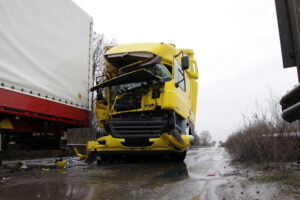
Port activity directly shapes the flow of traffic on the 710. The fast pace of global shipping often leads to decisions that sacrifice safety for efficiency.
Pressure To Meet Tight Delivery Schedules
Shipping contracts often include strict deadlines. Truck drivers feel pressure to deliver containers quickly, sometimes pushing them to speed or skip rest breaks. This time pressure creates unsafe driving behaviors.
Driver Fatigue from Long Waiting Times At Ports
Truckers often wait hours for their containers to be processed. These delays stretch workdays and reduce rest periods. Fatigue affects reaction times, increasing the risk of serious crashes on the freeway.
Independent Contractors Versus Company Drivers
Many drayage drivers work as independent contractors. They’re responsible for their own vehicles, maintenance, and insurance. When these drivers cut corners to save money, worn brakes or bald tires can lead to collisions.
Maintenance Issues with High-Mileage Drayage Trucks
Port trucks often rack up hundreds of thousands of miles each year. Without consistent maintenance, mechanical failures become common. Brake issues, tire blowouts, and steering problems are frequent causes of crashes on the 710.
What Damages Can You Recover After a Truck Accident On The 710?
Injury victims can pursue compensation for their losses, but every case depends on its facts. Damages fall into several main categories.
Economic Damages: Medical Bills and Lost Wages
Economic damages cover measurable costs like hospital stays, surgeries, rehabilitation, and lost income. Future earnings may also factor in if the injuries affect a person’s ability to work.
Non-Economic Damages: Pain And Suffering
These damages address the impact of injuries on daily life, such as ongoing pain, stress, or loss of enjoyment. Courts recognize that serious injuries affect more than finances alone.
Property Damage to Your Vehicle
Repair or replacement costs for damaged vehicles often make up part of the claim. Additional property loss, like destroyed electronics or cargo, may also qualify.
Wrongful Death Claims Under California Law
Families who lose loved ones in a truck accident can file wrongful death claims. These claims seek compensation for funeral costs, loss of income, and the absence of companionship or guidance the deceased provided.
Punitive Damages in Cases Of Gross Negligence
When conduct shows a willful disregard for safety, courts may award punitive damages. These aim to punish particularly reckless behavior, such as knowingly sending a driver on the road with faulty brakes.
How Long Do You Have to File a Truck Accident Claim In California?
Timing matters in any truck accident claim. Delays in filing can limit options for recovery.
California's Two-Year Statute of Limitations for Personal Injury
Most injury victims have two years from the date of the accident to file a personal injury lawsuit. Missing this deadline usually ends the right to pursue a claim in court.
Six-Month Notice Requirement for Government Claims
If a government agency may share fault, a written claim must be filed within six months. This short deadline often surprises victims unaware that poor road design or maintenance played a role.
Discovery Rule Exceptions
When an injury or its cause isn’t immediately known, California’s discovery rule may extend the filing period. This exception applies only in specific circumstances, such as hidden mechanical defects or delayed medical diagnoses.
Why Acting Quickly Protects Your Rights
Evidence fades fast after a truck accident. Logs get overwritten, vehicles repaired, and witnesses move away. Prompt legal action preserves records and strengthens your case.
How Our Attorneys at Greenberg Gross Can Help
Truck accident claims involving port traffic often require coordination with multiple parties, from port authorities to trucking companies. Our personal injury attorneys at Greenberg Gross handle every step of this process with care and precision.
We gather evidence such as driver logs, black box data, and maintenance records to determine fault. Our team works with reconstruction specialists to show how the crash occurred and who bears legal responsibility. When several parties share liability, we pursue each one to ensure that all potential sources of recovery are explored.
Insurance companies sometimes undervalue or delay legitimate claims. We hold them accountable by presenting strong documentation of medical treatment, lost income, and long-term effects. When fair settlement offers don’t materialize, we prepare cases for court to keep pressure on the responsible parties.
Clients receive consistent communication, updates, and guidance through each step. Greenberg Gross focuses on clarity, preparation, and advocacy for those injured by negligent port-related trucking operations.
Frequently Asked Questions About LA Truck Accident Claims
What should I do immediately after a truck accident on the 710 Freeway?
Get medical care right away, even if symptoms seem minor. Call law enforcement so an official report is created. Gather contact information for witnesses and take photos of the scene if possible. Avoid speaking with insurance adjusters until you’ve spoken with an attorney who can advise you on protecting your rights.
Can I still recover compensation if I was partially at fault for the accident?
Yes. California follows a comparative negligence rule. This means your recovery is reduced by your percentage of fault. Even if you share some blame, you can still pursue damages from other responsible parties.
How is a truck accident case different from a regular car accident case?
Truck accidents involve federal regulations, commercial insurance policies, and often multiple defendants. Evidence such as logbooks, maintenance records, and cargo manifests plays a larger role than in ordinary car crashes.
What if the truck driver was an independent contractor?
Independent contractor status doesn’t automatically remove responsibility from trucking companies or brokers. Courts look at how much control the company had over the driver’s work. If the company dictated routes, deadlines, or equipment standards, it may still share liability.
How much is my truck accident case worth?
Each case depends on the severity of injuries, medical costs, lost income, and how the crash affects your daily life, which is why hiring a truck accident attorney is often essential—attorneys calculate damages using medical documentation, employment records, and expert testimony to estimate long-term effects.
Contact Our Truck Accident Attorneys in LA Today

Truck crashes along the 710 Freeway often involve complicated layers of responsibility tied to port operations and freight logistics. Acting quickly allows our team at Greenberg Gross to preserve vital evidence and pursue every possible claim.
Our attorneys provide straightforward guidance and dedicated representation for injured victims and grieving families. Schedule a free, no-obligation consultation today to discuss your options and learn how we can help you seek accountability and fair financial recovery after a serious truck accident.