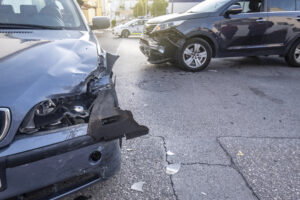
A hit and run accident can leave you hurt, confused, and unsure of what to do next. When another driver causes harm and flees the scene, it adds anger and frustration to an already painful situation. If you were injured or lost someone you love in such a crash, you’re likely wondering how to hold the responsible driver accountable and recover financial losses.
Knowing your legal rights after a hit and run accident in Los Angeles helps you make informed decisions and take steps that protect your future. Skilled legal guidance can make a significant difference in building a strong claim and pursuing the compensation you need for recovery.
A knowledgeable car accident attorney in L.A. can answer your questions and explain your options during a free consultation.
Key Takeaways: Los Angeles Hit and Run Accidents
- California law requires drivers involved in crashes to stop and provide information. Leaving the scene is a crime.
- Reporting the accident promptly helps preserve your right to file a claim.
- Victims can pursue compensation even if the other driver isn’t found.
- Uninsured motorist coverage often applies to hit and run cases.
- Acting quickly after the crash strengthens your case and helps protect your legal rights.
What Constitutes a Hit and Run Accident in California?
Under Section 20001 of the California Vehicle Code, a driver involved in an accident causing injury or death must stop, give their information, and assist anyone who’s hurt. Section 20002 covers property damage, requiring drivers to stop and exchange contact and insurance details.
Violating these laws may lead to criminal charges such as misdemeanors or felonies depending on the injuries involved.
Duties of Drivers Involved in Accidents
Every driver involved in a crash must:
- Stop immediately: Pull over safely and remain at the scene.
- Provide identification: Share your name, address, driver’s license, and insurance details.
- Assist injured persons: Offer reasonable help or call emergency services.
Criminal vs. Civil Implications
A hit and run can lead to both criminal prosecution and civil liability. Criminal penalties aim to punish the offender, while civil cases allow victims to recover damages like medical bills or lost income.
What Should You Do Immediately After a Hit and Run Accident?
What you do in those first few minutes and hours after a hit and run accident matters a great deal. Each step below explains how to protect yourself, gather key information, and preserve evidence that may later prove who caused the crash.
Stop and Assess Injuries
The law requires all drivers involved in an accident to stop, even if the other driver takes off. Pull over as safely as possible without blocking traffic. Once stopped, check yourself and any passengers for injuries.
If you can move safely, check on others who may be hurt nearby, including pedestrians or people in other vehicles. Offer comfort and reassurance but avoid moving anyone who appears seriously injured unless they’re in danger from traffic or fire.
Call 911 and Report to Law Police
After ensuring your safety, call 911 right away. Tell the dispatcher that the other driver left the scene and explain any injuries. Request both medical assistance and police response.
When officers arrive, provide as many details as you can recall. Even small clues, like a partial license plate number, vehicle color, direction of travel, or distinctive damage, can help locate the fleeing driver. Police will file an official report, which is critical for meeting insurance requirement and supporting your claim.
Ask how to obtain a copy of the police report once it’s ready. This document helps establish that the crash occurred and that you promptly reported it.
Gather Evidence at the Scene
If possible, document everything:
- Photos: Capture your vehicle, debris, skid marks, and surroundings.
- Details: Note the time, location, and direction the other car traveled.
- Vehicle Description: Record the color, make, model, or license plate if visible.
Identify Witnesses
Talk to anyone nearby who saw the crash. Get their names and contact details, as witness statements often support your version of events.
Seek Medical Attention
Even if you think you’re fine, seeing a doctor as soon as possible after a hit and run accident is one of the most important steps you can take. Some injuries don’t show symptoms right away. Internal bleeding, concussions, and soft tissue injuries can worsen over time without proper treatment.
A medical evaluation also creates a record that connects your injuries to the crash. This documentation becomes vital evidence in your claim for compensation.
How Do You Report a Hit and Run in Los Angeles?
Reporting ensures the incident is documented, which can help locate the driver and support your insurance claim.
Filing a Police Report with LAPD
You can report a hit and run to the Los Angeles Police Department in person or online. Provide all available details, including any partial license plate or witness information.
Reporting to the California DMV
If the damage exceeds $1,000 or anyone is hurt, you must file an SR-1 form with the DMV within 10 days. Failing to report may result in license suspension.
Notifying Your Insurance Company
Contact your insurer promptly to start your claim. Give accurate information about the crash, but avoid making recorded statements without legal advice.
Documentation Requirements
Keep copies of the police report, photos, witness names, and medical records. These documents help demonstrate the severity and cause of your losses.
What Compensation Can You Recover After a Hit and Run?
Victims of hit and run accidents in Los Angeles can pursue several forms of compensation depending on the circumstances.
Medical Expenses and Future Treatment Costs
This includes hospital bills, rehabilitation, physical therapy, prescription medications, and any future care related to your injuries.
Lost Wages and Loss of Earning Capacity
If you miss work or can no longer perform your previous job, you can seek compensation for lost income and reduced future earning potential.
Property Damage
You can recover the cost of repairing or replacing your vehicle and any personal items damaged in the crash.
Pain and Suffering
These damages account for physical pain, emotional distress, and the disruption the accident caused in your life.
Punitive Damages in Hit and Run Cases
In some cases, courts award punitive damages to punish the at-fault driver’s reckless behavior and discourage similar conduct.
What If the Hit and Run Driver Is Never Found?
Even when the other driver remains unidentified, you still have options for financial recovery.
Uninsured Motorist Coverage Under California Law
Most California auto insurance policies include Uninsured Motorist (UM) coverage. It applies when the at-fault driver lacks insurance or leaves the scene.
How UM/UIM Coverage Works in Hit and Run Cases
If the responsible driver can’t be found, UM coverage steps in as if the fleeing driver had insurance. Your insurer pays for covered losses up to your policy limits.
Requirements for UM Coverage Claims
To use this coverage, you must:
- Report the hit and run to police promptly.
- Notify your insurer within a reasonable time.
- Provide evidence that another vehicle caused the crash.
Collision Coverage as an Alternative
If you don’t have UM coverage, your collision policy may pay for vehicle repairs after you meet the deductible.
What Is the Statute of Limitations for Hit and Run Accident Claims in California?
You generally have two years from the accident date to file a personal injury claim.
Exceptions to the Standard Timeline
Certain circumstances extend these deadlines, such as when the victim is a minor or the at-fault driver leaves the state.
Importance of Acting Quickly
Gathering evidence and locating witnesses becomes harder over time. Starting your claim early strengthens your case and helps preserve proof of what happened.
Can You Still Recover Damages If You’re Partially at Fault?
Even if you share some blame for the crash, California law may still allow recovery.
California’s Pure Comparative Negligence Rule
This rule means each party’s share of fault reduces their recovery proportionally. For example, if you’re 20 percent at fault, your compensation decreases by that percentage.
How Fault Affects Your Compensation
Insurance adjusters often try to increase your share of fault to reduce payouts. Strong evidence can counter these tactics.
Proving the Other Driver’s Liability
Police reports, eyewitnesses, video footage, and accident reconstruction help demonstrate the fleeing driver’s role in causing the crash.
Common Challenges in Hit and Run Accident Cases
Victims often encounter difficulties unique to hit and run claims.
Difficulty Identifying the At-Fault Driver
Without the driver’s information, investigators rely on witness statements, surveillance video, and physical evidence to track them down.
Limited Evidence
Sometimes, police and insurance investigators must reconstruct the accident using skid marks, debris, or paint transfers to prove fault.
Insurance Company Tactics
Insurers may attempt to delay, undervalue, or deny valid claims by questioning the accident details or your injuries.
Proving the Extent of Your Injuries
Consistent medical treatment, detailed records, and testimony from healthcare providers help demonstrate the severity of your condition.
How Insurance Companies Handle Hit and Run Claims
Knowing how insurers approach these cases helps you prepare for the process.
Initial Investigation Process
Insurance companies review police reports, inspect the damage, and evaluate your medical records to determine liability and value.
Common Reasons for Claim Denials
Denials often occur due to missed reporting deadlines, inconsistent statements, or lack of evidence connecting your injuries to the crash.
Bad Faith Insurance Practices
Some insurers unreasonably delay payments, ignore evidence, or pressure claimants to settle for less. These actions may violate California insurance laws.
Negotiating Fair Settlements
A strong legal advocate presents detailed documentation, communicates with adjusters, and pushes back against low settlement offers.
How Greenberg Gross Can Help
Our legal team at Greenberg Gross supports clients throughout every stage of a hit and run claim.
Thorough Investigation and Evidence Collection
We gather accident reports, video footage, and witness statements to identify the responsible driver and strengthen your case.
Identifying All Available Insurance Coverage
We review every potential policy, including UM and umbrella coverage, to locate all possible sources of recovery.
Handling Communications with Insurance Companies
We manage discussions with adjusters to prevent misleading tactics and ensure your statements accurately reflect what happened.
Maximizing Your Compensation
We document your injuries, treatment costs, and long-term effects to present a clear picture of your losses during settlement discussions or court proceedings.
Litigation When Necessary
If insurers or at-fault parties refuse fair resolution, we prepare your case for trial and advocate for your rights before a judge or jury.
Frequently Asked Questions About Hit and Run Accident Claims
Will my insurance rates go up if I file a hit and run claim?
Usually, your rates shouldn’t increase if the accident wasn’t your fault, but each insurer has different policies.
How long does it take to settle a hit and run accident case?
The timeline depends on injury severity, available evidence, and whether the at-fault driver is found. Some cases resolve in a few months, while others take longer.
What if the hit and run driver is caught later?
If police locate the driver, you can pursue a claim directly against their insurance or file a lawsuit for additional damages.
Can I file a lawsuit against an unknown driver?
Yes. California allows you to sue “Doe” defendants, meaning you can start the case even if you don’t yet know the driver’s identity.
What if the hit and run happened in a parking lot?
Leaving the scene after damaging another vehicle or property in a parking lot still qualifies as a hit and run under California law. You must report it and follow the same claim process.
Contact Our Hit and Run Car Accident Attorneys in LA Today
Time limits apply to hit and run cases, so acting promptly helps protect your right to seek compensation. The personal injury attorneys at Greenberg Gross have extensive experience representing Los Angeles residents injured in these accidents. We work tirelessly to uncover evidence, hold negligent drivers accountable, and pursue fair outcomes for our clients.
If you or someone you love suffered harm in a hit and run, contact us today for a free, no-obligation consultation. We’ll listen to your story, review your options, and guide you through the next steps toward recovery.