A bicycle accident in Las Vegas can leave lasting consequences for riders and their families. Whether someone struck you while commuting on Charleston Boulevard or you were injured near Downtown Summerlin, the aftermath often involves medical care, missed work, and difficult insurance negotiations.
Working with a Las Vegas bicycle accident lawyer gives you the support and advocacy needed to pursue compensation from the person or company responsible. Greenberg Gross helps injured cyclists hold negligent drivers accountable and move forward with confidence. Contact our office for a free consultation to discuss your options.
Start your journey towards justice today by scheduling your free claim consultation
Key Takeaways: Las Vegas Bicycle Accidents
- Nevada law requires motorists to give cyclists at least three feet of clearance when passing
- Bicycle accident victims have two years from the date of injury to file a personal injury claim under Nevada's statute of limitations
- Comparative negligence rules in Nevada allow cyclists to recover damages even if they are partially at fault for the accident
- Medical expenses, lost wages, pain and suffering, and property damage are all compensable in Nevada bicycle accident cases
- Having legal representation significantly increases the likelihood of receiving fair compensation from insurance companies
What Are the Most Common Causes of Bicycle Accidents in Las Vegas?
Bicycle accidents happen throughout the city, from the Strip to residential streets. Many result from preventable driver mistakes or unsafe road conditions.
Distracted Driving
Drivers who text, eat, or adjust their GPS while behind the wheel often fail to see cyclists. Even a few seconds of distraction can cause a collision, especially in areas like Flamingo Road or Sahara Avenue where traffic is heavy.
Failure to Yield Right of Way
Motorists must yield to cyclists when required by law, such as at intersections or when making turns. Drivers who rush through lights or ignore stop signs near school zones in Summerlin frequently cause serious bicycle crashes.
Dooring Accidents
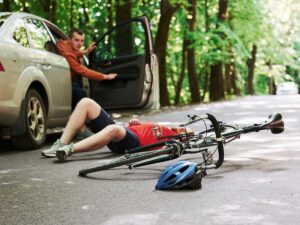
When a driver opens a parked car door without checking for approaching cyclists, the rider may collide with the door or swerve into traffic. This type of crash often happens along busy downtown areas where parking lines the street.
Unsafe Lane Changes
Some drivers fail to check blind spots before moving into a lane occupied by a cyclist. On major roads like Tropicana Avenue, this behavior puts riders at risk of sideswipe or rear-end collisions.
Driving Under the Influence
Alcohol and drugs impair judgment, slow reaction times, and make drivers less aware of cyclists. DUI-related bicycle crashes often occur at night or near entertainment districts.
Road Hazards and Poor Maintenance
Potholes, debris, and uneven pavement can cause riders to lose control. Government agencies responsible for maintaining Las Vegas roads may share liability if they ignore known hazards.
What Are Nevada’s Laws Regarding Bicycle Safety?
Nevada enforces several traffic laws that protect cyclists and guide safe interaction with motor vehicles.
Three-Foot Passing Law (NRS 484B.270)
Motorists must give cyclists at least three feet of space when passing. Violating this rule can lead to fines and liability if a collision occurs.
Bicycle Equipment Requirements
Cyclists must use functional brakes, front white lights visible from at least 500 feet, and rear reflectors visible from 300 feet. These rules apply when riding at night or in low-visibility conditions.
Right of Way Rules for Cyclists
Bicyclists have the same rights and responsibilities as other vehicles on the road. Drivers must treat them as equal traffic participants rather than obstacles.
Where Cyclists Can Ride in Nevada
Cyclists may ride on most public roads unless a sign prohibits it. They should stay as far to the right as practical but may move into a lane to avoid hazards or when the lane is too narrow to share.
Helmet Laws and Regulations
Nevada doesn’t require adults to wear helmets, but wearing one significantly reduces the risk of head injuries. Parents should ensure minors wear helmets that meet safety standards.
Who Is Liable in a Las Vegas Bicycle Accident?
Liability depends on who acted carelessly or violated traffic laws. Identifying every responsible party strengthens the claim and helps ensure full accountability.
Driver Negligence
A driver who speeds, runs a red light, or drives distracted may bear full or partial responsibility. Evidence such as police reports, dashcam footage, and witness statements often supports these claims.
Government Entity Liability for Road Conditions
If poor maintenance or defective road design contributed to the crash, the city, county, or state agency responsible for maintaining that area might be held accountable.
Product Liability for Defective Bicycle Parts
Manufacturers or retailers may be liable if a faulty part like a brake system, tire, or frame caused the accident.
Multiple Party Liability
Sometimes, more than one party shares responsibility. For example, a negligent driver and a road maintenance contractor might both have played a role in the incident.
Start your journey towards justice today by scheduling your free claim consultation
What Damages Can I Recover After a Bicycle Accident in Nevada?
Recoverable damages reflect the losses a cyclist experiences due to another party’s negligence. These may include financial costs and the personal impact of the injuries.
Economic Damages
Economic damages cover direct financial losses that come with treating your injuries or repairing damaged property. These losses usually come with records that help document them. Common types include:
- Medical costs: Bills for treatment, emergency care, follow up visits, physical therapy, medication, or long term care
- Lost income: Wages you miss while healing and income you may miss in the future if your injuries limit your ability to work
- Property damage: Repair or replacement of your bicycle, helmet, and any gear damaged in the collision
- Out of pocket expenses: Transportation to medical appointments or support services you needed during recovery
Cyclists in Las Vegas often face high medical costs after bicycle accidents on roads like Eastern Avenue or Maryland Parkway, so detailed documentation of every bill strengthens the financial portion of the claim.
Non-Economic Damages
Non economic damages address how the accident disrupted your daily life. These losses do not come with receipts, so they rely on strong evidence and clear narratives that show how the injuries affected you. Examples include:
- Pain and discomfort from injuries: Ongoing soreness, limited movement, or chronic issues that interfere with routine tasks
- Impact on daily activities: Difficulty exercising, caring for family members, or participating in hobbies you enjoyed before the crash
- Emotional distress: Anxiety, fear of riding again, or sleep disturbances caused by the collision
- Loss of enjoyment of life: Reduced ability to take part in activities that once brought joy or comfort
A serious crash along busy areas like Lake Mead Boulevard may lead to significant lifestyle changes, and these changes deserve careful consideration when calculating damages.
Punitive Damages in Extreme Cases
Courts may award punitive damages when the at-fault party’s behavior was especially reckless, such as a driver intentionally swerving toward a cyclist.
How Does Nevada’s Comparative Negligence Law Affect My Bicycle Accident Claim?
Nevada follows a modified comparative negligence system that determines how fault affects recovery.
Understanding Modified Comparative Negligence (NRS 41.141)
Cyclists can still pursue compensation if they are less than 50% responsible for the crash. The final amount decreases based on their share of fault.
How Fault Is Determined
Police reports, witness testimony, and accident reconstruction help determine fault percentages. Insurance adjusters often rely on this evidence when assessing claims.
Impact on Your Settlement or Award
If you’re found 20% responsible, your total recovery would be reduced by that same percentage. Working with a personal injury attorney helps ensure insurers don’t unfairly assign blame to minimize payouts.
What Should I Do Immediately After a Bicycle Accident?
Your actions in the time following a bicycle accident can shape the strength of your claim. Quick steps help protect your health and preserve evidence that may show how the accident happened.
Seek Medical Attention
Even if injuries seem minor, get checked by a doctor. Some injuries take hours or days to show symptoms. A prompt medical evaluation also links the accident to your injuries, which is vital for your claim.
Document the Accident Scene
Take photos of your bicycle, the vehicle, license plates, and road conditions. Include images of traffic signals or signs nearby.
Gather Witness Information
Ask for names and contact details of anyone who saw the crash. Independent witnesses can provide valuable statements later.
Report the Accident to Police
Always file a report with law enforcement. It creates an official record and helps support your version of events.
Preserve Evidence
Keep damaged clothing, gear, or bicycle parts. Don’t repair or replace anything until your lawyer reviews it.
Avoid Speaking with Insurance Adjusters
Insurance companies often look for statements they can use to reduce what they pay. Let your attorney handle all communication.
How Long Do I Have to File a Bicycle Accident Claim in Nevada?
You generally have two years from the date of the accident to file a personal injury lawsuit. Missing this deadline usually ends your right to pursue a claim.
Exceptions to the Statute of Limitations
Certain situations extend the timeline, such as when the injured person is under 18 or the at-fault driver leaves the state.
Government Claims Requirements
If your claim involves a government entity, you must file a formal notice of claim before the two-year period expires. These cases often have shorter deadlines, so quick action matters.
How Our Attorneys Can Help
Greenberg Gross represents cyclists injured in Las Vegas accidents. Our team handles every step of the process so you can focus on recovery while we protect your rights.
Investigating Your Accident
We gather evidence such as traffic camera footage, police reports, and witness statements to build a clear picture of what happened.
Determining All Liable Parties
Sometimes, multiple parties share responsibility. We identify each one to make sure no avenue for recovery is overlooked.
Calculating the Full Value of Your Claim
Our attorneys review medical records, income loss, and long-term effects to calculate the true cost of the accident.
Negotiating with Insurance Companies
We deal directly with insurers who often try to minimize payments. Our goal is to hold them accountable and push for a fair outcome.
Representing You in Court if Necessary
If the insurer refuses to resolve the claim fairly, we’re ready to present your case before a jury and advocate for justice.
Protecting Your Rights Throughout the Process
We manage deadlines, paperwork, and communications to keep your claim moving forward and reduce the stress on your end.
Frequently Asked Questions About Bicycle Accident Claims in LV
Do I need a lawyer for a bicycle accident claim in Las Vegas?
Yes. Having a lawyer helps protect you from insurance tactics designed to reduce payouts. An attorney ensures your claim includes every available category of damages and meets all deadlines.
What if I wasn’t wearing a helmet during my bicycle accident?
You can still pursue compensation even if you weren’t wearing a helmet. Nevada law doesn’t require adult cyclists to wear one, though the defense might argue it contributed to your injuries. A lawyer can address that argument effectively.
Can I still recover compensation if the driver who hit me doesn’t have insurance?
Yes, if you have uninsured motorist coverage under your own auto policy, it may apply. Your attorney can help explore other recovery options such as filing against additional responsible parties.
How much is my bicycle accident case worth?
The value depends on injury severity, medical costs, lost wages, and the degree of fault. A lawyer evaluates these factors using documentation and expert input to estimate a reasonable settlement range.
What if the bicycle accident was partially my fault?
Nevada’s comparative negligence system allows recovery if you’re less than 50% at fault. The amount you receive is reduced by your percentage of fault, but you still have the right to pursue your case.
Contact Our Bicycle Accident Attorneys in Las Vegas Today

Time matters after a bicycle accident. Evidence fades and deadlines approach quickly. Greenberg Gross stands ready to help you pursue justice and hold negligent drivers accountable. We’ve guided many injured cyclists through the process of filing claims and negotiating fair settlements.
Call (702) 777-0888 for a free, no-obligation consultation and learn how our team can help you move forward with confidence.