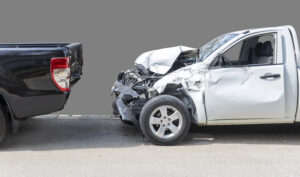
Getting rear-ended in Los Angeles traffic can cause serious injuries, vehicle damage, and emotional distress. Whether the crash happened on the 405 near Sherman Oaks or at a red light in Downtown LA, victims often struggle with pain, medical bills, and insurance issues while trying to recover.
For those injured in these crashes, proving fault in rear-end collisions in LA traffic determines whether you can hold the negligent driver accountable and pursue compensation for your losses. Having an experienced legal team by your side helps protect your rights and ensures your case receives the attention it deserves.
Contact an LA car accident lawyer for a free consultation today to help you take the first step toward holding the responsible party accountable.
Key Takeaways: Los Angeles Rear End Collisions
- California follows a presumption of fault against the rear driver in most rear-end collisions
- Comparative negligence rules allow for shared fault determinations even in rear-end crashes
- Physical evidence and witness testimony are critical for establishing liability in disputed cases
- Insurance companies often pressure rear-end collision victims into quick settlements before full damages are known
- Understanding California’s statute of limitations is essential for protecting your right to compensation
What Makes Rear-End Collisions So Common in Los Angeles?
Traffic in Los Angeles creates daily opportunities for rear-end collisions. Congestion, distractions, and driver impatience contribute to thousands of crashes every year.
Heavy Traffic Congestion and Stop-and-Go Conditions
Freeways like the 101 through Hollywood often clog during rush hour, forcing drivers to brake suddenly. When a driver follows too closely or reacts too late, a rear-end collision can happen within seconds.
Distracted Driving on LA Freeways
Many crashes occur because drivers glance at their phones or navigation systems instead of watching the road. Even a brief distraction on the I-10 near West Adams can lead to a chain reaction crash.
Tailgating and Aggressive Driving Behaviors
Some drivers try to intimidate others by following too closely. This behavior leaves no time to stop when traffic slows, making collisions almost inevitable.
Sudden Stops and Unexpected Traffic Patterns
Pedestrians, merging vehicles, or unpredictable lane changes in areas like Koreatown often force drivers to brake abruptly, catching inattentive motorists off guard.
Is the Rear Driver Always at Fault in California?
Most people assume the rear driver is automatically to blame, but California law allows for exceptions. Fault depends on the facts of each crash.
The Presumption of Negligence in Rear-End Accidents
California law generally presumes the rear driver failed to maintain a safe following distance or control their vehicle. This presumption simplifies liability in straightforward cases.
Exceptions to the Rear Driver Fault Rule
If the front driver cuts into a lane too closely, brakes suddenly for no reason, or drives with broken brake lights, that driver could share or carry full responsibility.
When the front driver may share liability
A driver who stops suddenly on Sunset Boulevard without cause may create an unavoidable hazard. If that stop triggers a crash, investigators may find shared liability.
Multi-Vehicle Chain Reaction Collisions
In pileups, several drivers might share fault. Determining who struck whom first often requires careful review of witness statements and damage patterns.
What Evidence Do You Need to Prove Fault?
Evidence provides the foundation of any rear-end collision claim. Strong documentation helps establish how the crash occurred and who caused it.
Police Accident Reports and Official Documentation
Officers typically prepare a collision report describing each driver’s actions, road conditions, and citations issued. —details that are especially important in crashes occurring at dangerous intersections, where patterns of prior accidents can strengthen settlement negotiations.
Photographs of Vehicle Damage and Accident Scene
Pictures from multiple angles show impact points and help reconstruct the sequence of events. Photos of skid marks, debris, and traffic lights can further clarify what happened.
Witness Statements and Contact Information
Independent witnesses often provide unbiased accounts of how the crash unfolded. Their testimony carries weight when stories conflict.
Traffic Camera and Dashcam Footage
Video evidence from city traffic cameras or personal dashcams can show the moments leading up to impact and prove driver negligence.
Skid Marks and Road Conditions
Physical evidence like tire tracks or debris patterns can reveal braking attempts, vehicle speed, or the direction of movement.
How Does California’s Comparative Negligence Law Apply?
California follows a pure comparative negligence system. Each driver’s percentage of fault reduces their compensation by that amount. For example, if you’re 20% at fault, your recovery decreases by 20%.
How Shared Fault Affects Your Compensation
Even if a driver partially contributed to the crash, they can still pursue compensation for the remaining share of damages caused by the other party.
Common Defenses Insurance Companies Use
Insurance companies often argue that victims stopped too suddenly, ignored traffic conditions, or failed to maintain functioning brake lights. These tactics reduce payouts and shift blame.
Protecting Your Recovery Percentage
Gathering clear evidence early helps defend against unfair blame. Timely documentation and legal guidance ensure your side of the story holds weight during negotiations.
What Are Common Causes of Rear-End Collisions?
Certain behaviors repeatedly lead to rear-end accidents across Los Angeles.
Following Too Closely (Tailgating)
Drivers who tailgate leave little room to react when the vehicle ahead slows. This behavior frequently causes crashes on the 405 through Culver City.
Distracted Driving and Cell Phone Use
Texting or using apps while driving takes a driver’s focus off the road. Even a short distraction can lead to a high-speed impact.
Speeding and Failure to Maintain Safe Speed
Exceeding the speed limit or driving too fast for conditions increases stopping distance and reduces reaction time.
Impaired or Drowsy Driving
Drivers under the influence of alcohol, drugs, or fatigue have slower reflexes. They often fail to brake in time when traffic slows unexpectedly.
Brake Failure and Vehicle Defects
Mechanical issues like worn brake pads or malfunctioning systems can prevent a vehicle from stopping properly. These defects may shift fault toward a manufacturer or maintenance provider.
What Injuries Typically Result from Rear-End Crashes?
Rear-end collisions can cause a wide range of injuries, from mild soreness to long-term disabilities.
Whiplash and Neck Injuries
Rapid back-and-forth motion during impact can strain muscles and ligaments in the neck. Symptoms often include stiffness, headaches, and reduced mobility.
Back and Spine Trauma
Compression or twisting forces can damage vertebrae or discs, leading to chronic pain or limited movement.
Head Injuries and Concussions
Even with airbags, a driver’s head may strike the steering wheel or seat. Concussions and traumatic brain injuries sometimes appear hours after the crash.
Chest and Seatbelt Injuries
Seatbelts save lives, but the force of impact can bruise ribs or strain chest muscles, especially in higher-speed collisions.
Psychological Trauma and PTSD
Some victims develop anxiety or post-traumatic stress disorder after severe accidents, making it difficult to drive again or sleep soundly.
How Do Insurance Companies Handle Rear-End Collision Claims?
Insurance adjusters often act quickly after a car crash to limit the amount they pay.
Initial Claim Investigation Process
Insurers gather driver statements, photos, and police reports to determine liability and estimate damages. They often contact victims soon after the crash to secure recorded statements.
Common Tactics to Minimize Payouts
Insurance companies sometimes downplay injuries or delay payments hoping victims will settle for less than the claim’s value. They might also suggest shared fault to reduce responsibility.
Why Insurers Dispute Clear Liability Cases
Even when fault seems obvious, insurers may argue that weather, sudden braking, or equipment issues contributed to the crash. These disputes aim to reduce the payout.
The Importance of Not Admitting Fault
Apologizing or speculating about what caused the crash can be used against you later. Stick to the facts when speaking with insurers or the police.
What Damages Can You Recover?
Compensation from a rear-end collision claim covers various financial and personal losses caused by the crash.
Medical Expenses and Future Treatment Costs
Hospital bills, physical therapy, prescription costs, and future medical needs form the bulk of many claims.
Lost Wages and Diminished Earning Capacity
Injuries that keep you from working or reduce your ability to earn a living qualify for financial recovery.
Property Damage and Vehicle Repair Costs
The cost of repairing or replacing your car, along with towing and rental expenses, falls under property damage claims.
Pain and Suffering Compensation
This covers physical discomfort, emotional strain, and reduced quality of life following the crash.
Punitive Damages in Cases of Gross Negligence
When a driver’s behavior shows extreme disregard for safety, such as drunk driving or road rage, courts may award additional damages to punish that conduct.
How Long Do You Have to File a Claim in California?
Most personal injury claims must be filed within two years of the crash. Missing this deadline usually ends your right to recover damages.
Exceptions That May Extend or Shorten Deadlines
Claims involving government vehicles or minors follow different timelines, sometimes shorter or longer than two years.
The Importance of Acting Quickly
Early legal action allows your attorney to collect fresh evidence and contact witnesses before memories fade.
Preserving Evidence Before It Disappears
Skid marks fade, surveillance footage is erased, and vehicles get repaired. Acting promptly helps secure the proof needed for your case.
How Greenberg Gross Can Help
Rear-end collision victims often need help managing medical treatment, car repairs, and negotiations with insurance companies. Our team at Greenberg Gross supports you from the moment you reach out.
Thorough Investigation and Evidence Gathering
We obtain police reports, review camera footage, and analyze crash data to identify every contributing factor.
Negotiating with Insurance Adjusters
We handle all communication with insurers to prevent low settlement offers and keep your claim on track.
Calculating Full and Fair Compensation
Our attorneys review medical records and employment information to document every loss tied to the accident.
Litigating Disputed Liability Cases
When insurers refuse to take responsibility, we pursue your claim through the courts to hold the at-fault driver accountable.
Handling All Legal Deadlines And Paperwork
We track all filing deadlines, submit required documents, and manage correspondence so you can focus on recovery.
Frequently Asked Questions About Rear End Collision Claims
Can I still recover compensation if I was partially at fault for the rear-end collision?
Yes. Under California’s comparative negligence law, you can still recover damages even if you share some blame. Your total compensation is reduced by your percentage of fault.
What should I do immediately after being rear-ended in LA traffic?
Move to a safe location, call 911, and exchange information with the other driver. Take photos, get witness contacts, and seek medical attention even if symptoms seem minor.
How much is my rear-end collision case worth?
The value depends on medical costs, lost income, and the extent of your injuries. Each case differs, so documentation of all expenses and losses is key.
Will my case go to trial or settle out of court?
Most cases resolve through settlement negotiations. However, if the at-fault driver or insurer refuses to take responsibility, going to court may become necessary to pursue fair compensation.
Do I need a lawyer if the other driver’s insurance accepted liability?
Even when liability is clear, insurers often undervalue claims. A personal injury attorney ensures your settlement includes all current and future damages tied to the crash.
Contact Our Rear End Car Accident Attorneys in LA Today
Rear-end collisions in Los Angeles often leave lasting effects, from ongoing pain to financial strain. You shouldn’t have to shoulder those burdens alone. The attorneys at Greenberg Gross help accident victims hold negligent drivers accountable and pursue fair compensation for their losses.
Reach out today for a free, no-obligation case evaluation to discuss your legal options and learn how our team can help you move forward.