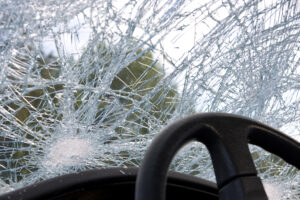
Accidents in areas like Summerlin, Centennial Hills, or near the Las Vegas Strip leave many people dealing with sudden medical needs, missed work, and the pressure of figuring out what comes next. Many families start this process by focusing on understanding Nevada’s minimum insurance requirements, since coverage rules shape what support may be available after a crash.
When someone else causes a collision that harms you or takes the life of someone you love, you want to hold the at fault driver accountable and obtain compensation. Skilled legal representation helps protect your interests, handle communication with insurers, and guide your claim from the start.
Reach out to a car accident lawyer near you for a free consultation and learn what steps may support your recovery.
Key Takeaways: Nevada’s Minimum Insurance Requirements
- Nevada requires all drivers to carry minimum liability coverage of 25/50/20
- Driving without insurance in Nevada can result in license suspension and significant fines
- Minimum coverage often falls short of covering serious injury damages in accidents
- Underinsured motorist coverage protects you when at fault drivers lack adequate insurance
- Accident victims can pursue additional compensation beyond insurance policy limits
What Are Nevada’s Minimum Auto Insurance Requirements?
Nevada uses a simple rule that sets the lowest insurance limits a driver must carry. These rules help protect people on the road, but many drivers do not realize how fast these limits run out after a serious car crash.
Bodily Injury Liability Coverage Limits
Bodily injury liability coverage pays for injuries the at fault driver causes. Nevada requires:
- $25,000 for injuries to one person
- $50,000 for injuries to multiple people
It covers emergency room visits, follow up care, and other medical needs for injured people outside the at fault driver’s vehicle. This type of coverage protects victims by giving them a starting point for their claim.
Property Damage Liability Coverage Requirements
Property damage liability coverage pays for repairs to another person’s car or other property. Nevada sets the minimum at twenty thousand dollars. Repair costs rise quickly, especially when a newer vehicle or multiple cars are involved. Many vehicles cost far more than this to repair or replace.
How Nevada’s 25/50/20 Rule Works
Nevada’s 25/50/20 rule breaks down this way:
- $25,000 covers one injured person
- $50,000 covers all injured people combined
- $20,000 covers property damage
The rule helps set expectations for the lowest amount of coverage a driver must carry. It does not mean this amount covers every cost after a serious crash. Many victims learn this when injuries require long term treatment or when a vehicle is a total loss.
Why Does Nevada Require Auto Insurance?
Nevada sets insurance rules to protect everyone on the road. These laws help reduce the likelihood of unpaid claims and protect families from bearing the full cost of someone else’s negligence.
Protecting Accident Victims
Car accidents in places like Spring Valley or Whitney Ranch lead to injuries, doctor visits, and lost income. Liability insurance creates a pool of money that helps victims cover accident related costs. Without these requirements, many injured people would face these expenses on their own.
Ensuring Financial Responsibility
Nevada’s insurance laws help make sure drivers take financial responsibility for the harm they cause. When someone crashes into you, the insurance policy tied to their vehicle becomes the first source of recovery.
Reducing Uncompensated Claims
Some people would not be able to afford accident related expenses if they had no insurance. Liability coverage helps reduce situations where victims cannot recover any financial support. Insurance keeps the process structured and creates a starting point for claims.
What Happens If You Drive Without Insurance in Nevada?
Nevada takes uninsured driving seriously. The state uses penalties that grow with each offense to encourage compliance.
Penalties for First-Time Offenders
A first offense often brings:
- Fines that vary depending on how long the driver went without insurance
- A reinstatement fee to restore driving privileges
The state monitors insurance electronically, so a lapse in coverage usually results in quick consequences.
Consequences for Repeat Violations
Repeat offenses bring higher fines and longer suspensions. Nevada uses these penalties to discourage ongoing violations. A driver with several offenses may see hundreds or even thousands of dollars in penalties.
SR-22 Insurance Requirements
Nevada may require SR 22 insurance after a lapse. This document proves you carry the required coverage. SR 22 policies usually cost more because insurers view the driver as higher risk. The requirement often lasts for several years.
How Violations Affect Your Driving Record
Driving without insurance leaves a mark on your record. Insurance companies review driving history when setting premiums. A lapse can lead to higher costs long after the violation.
Is Nevada’s Minimum Coverage Enough?
Many accident victims discover that minimum coverage does not meet the real costs of a serious crash. Medical care in Las Vegas, including treatment at Sunrise Hospital or University Medical Center, can cost far more than the state minimums.
Common Costs That Exceed Minimum Limits
Modern vehicle repairs often exceed twenty thousand dollars. When multiple vehicles are involved, costs rise even faster. If several people are injured, the fifty thousand dollar limit may run out quickly.
Medical Expenses in Serious Injury Cases
Emergency room visits, X rays, scans, surgery, and follow up treatments add up fast. Severe injuries may require long hospital stays. A single surgery might exceed the minimum limits on its own.
Long-Term Care and Rehabilitation Costs
Some injuries need months of physical therapy or rehabilitation. Nerve injuries, broken bones, and head trauma require ongoing care that often goes beyond minimum insurance levels.
Lost Wages and Future Earning Capacity
Lost wages create a major strain on families. When injuries limit someone’s ability to work, the financial impact grows even larger. Minimum insurance often does not cover these losses.
What Additional Coverage Should Nevada Drivers Consider?
Many drivers choose extra coverage to protect themselves from the financial impact of a crash. These optional coverages provide support that minimum insurance does not.
Uninsured Motorist Coverage
Uninsured motorist coverage helps pay for your injuries when a driver without insurance causes the crash. Many people appreciate this protection because uninsured drivers still exist despite Nevada’s laws.
Underinsured Motorist Coverage
Underinsured motorist coverage helps when the at fault driver’s policy limits are too low to cover your damages. For example:
- If the at fault driver carries 25 thousand dollars in bodily injury coverage
- Your medical bills total 60 thousand dollars
- Your own policy may help close the gap
This coverage gives victims a way to pursue financial support beyond the at fault driver’s limits.
Personal Injury Protection PIP
Personal injury protection, or PIP, pays for medical costs and sometimes lost wages, regardless of who caused the crash. Some drivers add PIP to help with immediate medical bills, and a personal injury lawyer can explain how PIP works alongside a claim against the at-fault driver.
Collision and Comprehensive Coverage
Collision coverage pays for repairs to your own car when you crash into another vehicle or object. Comprehensive coverage handles non collision damage such as theft, hail, or vandalism. These coverages help protect your vehicle investment.
How Does Insurance Work in Nevada Accident Claims?
Accident victims often worry about how the claims process works after a crash in places like Rhodes Ranch or near Fremont Street. Nevada uses an at fault system, which gives victims the right to file a claim directly with the responsible driver’s insurer.
Nevada’s At-Fault Insurance System
The at fault system means the driver who caused the crash must pay for injuries and property damage. Victims can file a claim with the at fault driver’s insurer and pursue additional options if needed.
Filing a Claim Against the At-Fault Driver
The process begins with notifying the at fault driver’s insurance company. The insurer investigates the collision, reviews damages, and decides how much to offer. Victims often need to provide medical records, repair estimates, and proof of losses.
Dealing With Insurance Adjusters
Insurance adjusters represent the company, not the victim. Adjusters may ask detailed questions or request statements that could weaken a claim. Many accident victims prefer to have an attorney communicate with adjusters and protect their interests.
When Insurance Companies Deny or Undervalue Claims
Sometimes, insurers deny claims or make offers far below the real cost of injuries. When this happens, the injured person may need to gather more evidence, push back against unfair decisions, or pursue other legal options.
What Can You Do When the At-Fault Driver Has Minimum Insurance?
A crash caused by a driver with minimum insurance often leaves victims looking for additional ways to recover their losses. Nevada law provides several avenues for pursuing the support you need.
Pursuing Your Own Underinsured Motorist Coverage
Your own underinsured motorist coverage may help fill the gap between your losses and the at fault driver’s limits. Many people choose this coverage for situations exactly like this.
Identifying Additional Liable Parties
Sometimes, more than one party shares responsibility for a crash. For example:
- A company vehicle may involve employer liability
- A defective car part may involve a manufacturer
- Poor road conditions may involve a government entity
Identifying additional parties helps expand the available sources of recovery.
Seeking Compensation Beyond Policy Limits
Victims can sometimes pursue compensation beyond insurance limits through legal action. Nevada law allows claims against individuals who caused harm through negligent behavior. This option helps when insurance alone does not cover the full cost of injuries.
Structuring Settlements for Maximum Recovery
Some victims recover from several sources. Combining insurance claims, underinsured motorist coverage, and claims against additional parties may help cover accident related losses more fully.
How Our Attorneys Can Help
People dealing with the fallout of a serious crash often feel overwhelmed by paperwork, medical appointments, and conversations with insurance companies. Our team at Greenberg Gross takes on these responsibilities so you can focus on healing.
We evaluate claims, gather evidence, and handle discussions with insurers who may attempt to undervalue your injuries. We review settlement offers carefully and explain your options so you can choose the path that best supports your needs.
When negotiations fall short because of an insurance company’s decisions, our trial experience allows us to move the case into litigation when necessary. We work to document your losses and present a strong case that reflects the real impact the accident has had on your daily life.
Since we operate on a contingency fee basis, you do not pay attorney fees unless we recover compensation through an insurance settlement or court verdict.
Frequently Asked Questions About Nevada Minimum Insurance Requirements
What happens if I’m hit by someone with only minimum insurance in Nevada?
You can file a claim against the at fault driver’s policy. If your costs exceed their limits, you may use your own underinsured motorist coverage or explore other responsible parties.
Can I sue for damages beyond the at-fault driver’s insurance limits?
Yes. Nevada law allows victims to pursue additional compensation through a personal injury lawsuit when insurance does not fully cover their losses.
How long do I have to file an injury claim after a Nevada car accident?
Nevada generally gives two years to file a personal injury claim. However, exceptions exist, so early action helps protect your rights.
Does Nevada require uninsured motorist coverage?
No. Nevada does not require it, but adding uninsured motorist coverage provides helpful protection when uninsured drivers cause crashes.
What if the other driver’s insurance company refuses to pay my claim?
You may need to challenge the decision, gather additional evidence, or pursue legal action. An attorney can help communicate with the insurer and protect your claim.
Contact Our Car Accident Attorneys in Las Vegas Today
Accident claims in Nevada follow strict deadlines, and evidence often becomes harder to gather as time passes. Greenberg Gross guides victims through every step of the claims process and provides steady support during a difficult period.
Our team listens to your concerns, reviews the facts of your case, and discusses clear options for moving forward. Reach out today for a free consultation and learn how we can help you pursue compensation for your losses and hold the at fault party accountable.