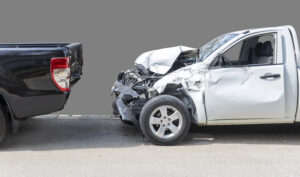
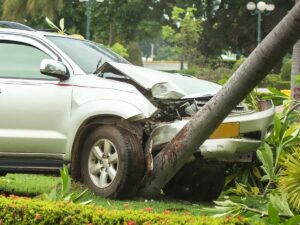
Car accidents in Los Angeles happen every day, from busy intersections in Downtown LA to winding roads through the Hollywood Hills. When someone else causes the crash, the confusion and stress that follow can leave you unsure about what to do next. Knowing what to do after a car accident in Los Angeles helps protect your health, your rights, and your financial well-being.
Whether you suffered injuries or lost a loved one, taking the right steps can make a major difference in holding the responsible party accountable and pursuing compensation for your losses. Skilled legal representation ensures your claim is handled correctly from start to finish. If you need help, contact a Los Angeles car accident attorney for a free consultation.
Key Takeaways: What to Do After a Car Accident in LA
- Immediate safety and medical attention should be your top priority after any car accident, even if injuries seem minor
- California law requires drivers to stop and exchange information after an accident, with penalties for hit-and-run violations
- You have two years from the date of the accident to file a personal injury lawsuit in California
- Gathering evidence at the scene and documenting everything can significantly strengthen your claim
- California’s pure comparative negligence rule means you can still recover damages even if you’re partially at fault
What Should I Do Immediately After a Car Accident?
After a car accident, every moment counts. What you do in the first few minutes can protect your health, your rights, and your ability to recover damages later. Staying calm and following the right steps helps you stay safe and strengthens any claim you might file later.
Check for Injuries and Call 911
Start by checking yourself, your passengers, and anyone else involved for injuries. Even if no one appears hurt, call 911. Emergency responders can assess injuries and create an official record of the crash, which can later support your claim.
Move to Safety if Possible
If your vehicle is blocking traffic and can be moved safely, pull to the side of the road or into a nearby parking area. Stay as far from moving traffic as possible. If your car won’t start or can’t be moved, turn off the engine, leave it in park, and exit carefully when it’s safe to do so. Stand behind a guardrail or on the shoulder, not in the lanes of traffic.
Turn on Hazard Lights and Set Up Warning Devices
Activate your hazard lights so other drivers can see you. If you have flares, cones, or warning triangles, place them a safe distance behind your vehicle to alert approaching traffic.
Avoid Confrontations or Arguments
Car accidents can stir emotions, especially when the other driver was careless or aggressive. Try to remain calm. Arguing at the scene often escalates the situation and can be used against you later. Let law enforcement handle disputes and record each driver’s version of events.
If the other driver becomes angry, threatening, or refuses to cooperate, stay inside your vehicle with the doors locked and windows up until police arrive.
What Information Must I Exchange with the Other Driver?
After ensuring everyone’s safety, California law requires you to share and collect specific details with the other driver.
Required Information Under California Vehicle Code Section 16025
You must exchange:
- Names and addresses: Include your driver’s license or ID.
- Vehicle registration information: Provide the vehicle owner’s name if different from the driver.
- Insurance details: Share your insurance company name and policy number.
Failing to exchange this information can result in fines or penalties.
Why You Should Never Admit Fault at the Scene
Avoid saying anything that could be taken as accepting responsibility. Even polite comments like “I’m sorry” might be used against you later. Investigators, insurance adjusters, and attorneys determine fault after reviewing evidence, not at the scene.
What to Do if the Other Driver Doesn’t Have Insurance
If the other driver lacks insurance, collect as much identifying information as possible, including their license plate and contact details. You can still file a claim through your uninsured motorist coverage if your policy includes it.
How Do I Document the Accident Scene?
Accurate documentation provides powerful support for your claim.
Take Photographs and Videos
Use your phone to capture images of vehicle damage, skid marks, debris, traffic signals, and any visible injuries. Wide-angle shots showing the overall scene can help reconstruct how the accident occurred.
Get Witness Contact Information
If anyone saw the crash, ask for their name and contact information. Witness statements often help confirm what happened, especially when accounts differ.
Note Road and Weather Conditions
Write down details about lighting, visibility, and road conditions. For example, a slick intersection in Echo Park or a dark stretch of road in Griffith Park could have contributed to the accident.
Should I Call the Police After a Car Accident in California?
Reporting the accident protects you legally and helps create an objective record.
When Police Reports Are Required Under California Law
You must report any accident involving injury, death, or property damage over $1,000. Even if the damage seems minor, a police report helps support your version of events.
How to Obtain a Copy of the Police Report
Ask the responding officers for the report number before leaving. You can later request a copy from the Los Angeles Police Department or the California Highway Patrol, depending on who responded.
What to Tell the Responding Officers
Answer questions truthfully but stick to the facts. Avoid speculating about who caused the crash. Your report should include only what you know for certain.
What Medical Steps Should I Take After the Accident?
Medical documentation not only protects your health but also provides evidence for your claim.
Seek Immediate Medical Attention
Even if you don’t feel pain right away, visit a doctor or emergency room. Some injuries like whiplash or concussions take hours or days to show symptoms.
Follow All Treatment Recommendations
Keep every appointment and follow your doctor’s advice. Gaps in treatment can give insurance companies an excuse to argue that your injuries aren’t serious.
Keep Detailed Records of All Medical Care
Maintain copies of hospital bills, prescriptions, test results, and physical therapy notes. These records connect your medical costs directly to the accident.
When Should I Notify My Insurance Company?
Reporting the accident to your insurer promptly helps preserve your claim.
California’s Insurance Reporting Requirements
California law requires drivers to report any accident involving injury, death, or property damage exceeding $1,000 within ten days to the Department of Motor Vehicles, a rule closely tied to state insurance requirements.
What to Say (and Not Say) to Insurance Adjusters
Stick to basic facts about the accident. Don’t speculate about fault or the extent of your injuries. Insurance adjusters may look for ways to reduce payouts.
Understanding Your Policy Coverage
Review your policy to learn about your coverage limits, deductibles, and options such as rental car reimbursement or uninsured motorist protection.
What Is California’s Statute of Limitations for Car Accident Claims?
In most cases, you have two years from the accident date to file a personal injury lawsuit.
Exceptions That May Extend or Shorten the Deadline
Claims involving government vehicles or minors follow different rules. For example, if your crash involved a city-owned bus in Downtown LA, you may have only six months to file a claim.
Why You Shouldn’t Wait to Take Legal Action
Evidence can disappear quickly. Witnesses may forget details, and surveillance footage may be erased. Acting soon gives your attorney more time to build a strong case.
How Does California’s Comparative Negligence Law Affect My Case?
California follows a pure comparative negligence rule, which allows you to recover damages even if you were partly responsible for the crash. For example, if you’re found 20 percent at fault, you can still collect 80 percent of your total damages.
How Fault Percentages Impact Your Compensation
Insurance companies often use comparative negligence to reduce payouts. Proving the other driver’s greater responsibility helps protect your financial recovery.
Common Tactics Insurance Companies Use to Shift Blame
Insurers might argue that you were speeding, distracted, or failed to signal. Evidence such as dashcam footage, eyewitness statements, or traffic camera recordings can refute these claims.
What Damages Can I Recover After a Car Accident?
Car accidents can lead to a range of losses. California law allows recovery for both financial and personal impacts.
Economic Damages: Medical Bills, Lost Wages, and Property Damage
Economic damages cover measurable losses such as hospital bills, therapy expenses, and lost income. Repair estimates and pay stubs help establish these amounts.
Non-Economic Damages: Pain and Suffering
Non-economic damages address the personal impact of your injuries, such as loss of enjoyment of life, emotional distress, and ongoing pain.
Punitive Damages in Cases Involving Gross Negligence
When a driver’s actions go beyond simple carelessness, such as driving under the influence, a court may award punitive damages to punish reckless behavior and discourage similar conduct.
Common Mistakes to Avoid After a Car Accident
Even simple missteps can harm your case. Avoiding these errors can help protect your rights.
Leaving the Scene Without Exchanging Information
Leaving before exchanging information violates California law and could result in criminal charges.
Posting About Your Accident on Social Media
Anything you post can be used against you. Even an innocent photo or comment might be twisted to question your injuries.
Accepting a Quick Settlement Offer
Insurance companies sometimes offer low settlements soon after an accident. Accepting too early may prevent you from recovering the full cost of your medical care and other losses.
Failing to Preserve Evidence
Keep damaged items such as clothing, vehicle parts, and receipts. These details can help prove the extent of your losses.
How Greenberg Gross Can Help
Our firm helps Los Angeles accident victims focus on recovery while we handle the details of their claims.
We Handle All Communication with Insurance Companies
We speak directly with insurers to prevent misstatements or pressure tactics that could reduce your settlement.
We Investigate Your Accident and Gather Evidence
We review police reports, medical records, witness statements, and surveillance footage to identify who caused the crash.
We Calculate the Full Value of Your Claim
We assess medical expenses, lost income, and long-term impacts to determine what financial recovery to pursue.
We Fight for Maximum Compensation
Our attorneys negotiate firmly with insurance companies that refuse to pay fairly. If the at-fault party refuses to take responsibility, we’re prepared to continue pursuing justice through litigation.
We Take Cases to Trial When Necessary
When insurers refuse to act in good faith, we present your case before a jury and advocate for accountability.
Frequently Asked Questions About Los Angeles Car Accident Claims
What if I was partially at fault for the accident?
You can still recover damages under California’s comparative negligence law. Your compensation will be reduced by your percentage of fault, but you aren’t barred from filing a claim.
Do I really need a lawyer for a minor car accident?
Even minor collisions can lead to injuries that appear later. A lawyer can review your situation and determine if pursuing compensation makes sense for you.
How long does it take to settle a car accident claim in California?
Timelines vary depending on medical treatment, investigation, and insurance company cooperation. Some claims resolve in a few months, while others take longer if litigation becomes necessary.
What if the other driver was uninsured or underinsured?
Your uninsured motorist coverage may help cover your losses. If that coverage doesn’t apply, your personal injury attorney can explore other recovery options, including direct claims against the at-fault driver.
Can I still file a claim if I wasn’t wearing a seatbelt?
Yes. You can still pursue compensation, but your recovery may be reduced if your lack of a seatbelt contributed to your injuries.
Contact Our Car Accident Attorneys in Los Angeles Now
Every day you wait to take legal action can weaken your claim. Evidence fades quickly, and deadlines pass without warning. Greenberg Gross offers compassionate, experienced legal support for accident victims throughout Los Angeles County. Our team guides you through each step of the process and handles communication with insurers and the at-fault party.
Contact us today for a free consultation. Learn how we can help you hold the responsible party accountable and pursue compensation for your losses.